Figuring out whether a tree on your property is dead or just stressed can feel urgent and confusing, especially after a harsh winter or a stormy season. The signs of a dead tree often overlap with stressed tree symptoms, and homeowners in Michigan may worry about safety, property damage, and whether removal is necessary.
Ignoring the warning signs risks branches falling, root failures, and unexpected collapse that can affect roofs, power lines, or neighbors. Misreading a tree as healthy when it is actually dying can lead to expensive repairs and dangerous situations later on.
This guide breaks down the most common signs of a dead tree, how to tell the difference between stress and irreversible decline, and practical steps for an initial tree health assessment. It also explains when it is appropriate to call an ISA-certified arborist Michigan residents trust for a professional evaluation.
Major Visual Signs of a Dead Tree to Look For
Dead trees show a clear pattern of decline that affects leaves, branches, bark, and rooting structure. Start by scanning the canopy for persistent leaf loss, brittle twigs, and a lack of new growth during the expected growing season.
Look for dry, brown foliage in parts of the crown or across the entire tree when neighbors with similar species still have leaves. Another sign is buds that do not swell in spring or fall, indicating the tree is not producing new tissue to replace damaged parts.
Check branches for excessive dieback where limbs break easily or snap like dry wood instead of bending. Seasonal timing matters; a healthy tree will push new buds and leaves when other trees of the same species in the neighborhood do.
Eight Specific Signs of a Dead Tree You Can Check Safely
Inspect these eight observable signs to determine whether a tree is likely dead or dying. These indicators are practical for homeowners to note before involving professionals.
- No live buds or leaves during the growing season. If a tree fails to produce any new leaves or buds by mid-spring or early summer, it is a clear warning sign. Absence of foliage when nearby trees of the same species are green is especially telling.
- Brittle, snapping branches and a hollow-sounding trunk. Branches that break with a dry snap often mean the wood is dead inside. Tapping a hollow trunk can reveal internal decay and loss of structural integrity.
- Extensive bark loss or large, loose sections of bark. Healthy bark adheres and protects inner tissues. When bark peels away in large patches or wood underneath looks soft and discolored, the tree’s protective layer is compromised.
- Fungus, mushrooms, or conks at the base or along the trunk. Fruiting bodies of wood-decay fungi indicate internal rot and structural weakening. Persistent fungal growth is a sign that decay is active and likely advanced.
- Root problems and soil heaving around the trunk. Visible roots that are rotten, exposed, or uprooting suggest serious instability. A leaning trunk that gets worse over weeks or months is another sign that the root system may be failing.
- Cavities or large wounds that do not show healing tissue. Trees can compartmentalize small wounds, but large, unhealed cavities often mean the tree cannot recover. Cracks that run the length of the trunk point to internal splitting.
- Rapid decline after a storm or other stress event. If a tree was weakened by storm damage or drought and then rapidly loses canopy or vitality, it may be past the recovery point. Document how fast symptoms progressed for a professional assessment.
- Lack of new, healthy shoots after pruning or minor damage. If pruning or natural limb loss does not trigger compensatory sprouting where expected, the tree is likely not allocating energy to repair.
How to Distinguish Stressed Tree Symptoms From a Dying Tree in Michigan
Stressed trees often show partial declines but retain pockets of life, while dying trees show consistent failure across multiple systems. To tell the difference, compare timing, distribution, and response to relief measures.
Stressed tree symptoms commonly include sparse foliage, smaller-than-normal leaves, or dieback limited to certain branches after drought, compacted soil, or pest attacks. These trees may respond to improved watering, mulching, pest control, or other appropriate care.
Dying trees typically show no meaningful recovery after basic care, they have widespread bark loss or fungal decay, and they often fail structurally in ways that make them hazardous. If a tree’s internal tissues are necrotic or roots are decayed, even professional care may be unable to save it.
When in doubt, document the changes over several weeks and consult with a qualified professional who can perform a tree health assessment and provide an informed opinion on prognosis and safety. This detail matters because a careful review of the full situation can prevent avoidable mistakes and support a more reliable result.
Dangerous Tree Signs That Mean You Should Avoid the Area
If a tree shows active structural failure, visible root lift, or large cracks, treat the area as hazardous and maintain a safe distance. Safety begins with recognizing clear danger signs and avoiding the fall zone until a trained evaluator arrives.
Signs that make a tree especially dangerous include a lean that suddenly increases, large limbs splitting away from the trunk, fresh fungal fruiting bodies, and root plates lifting from the soil. These symptoms signal imminent failure and make the surrounding area unpredictable.
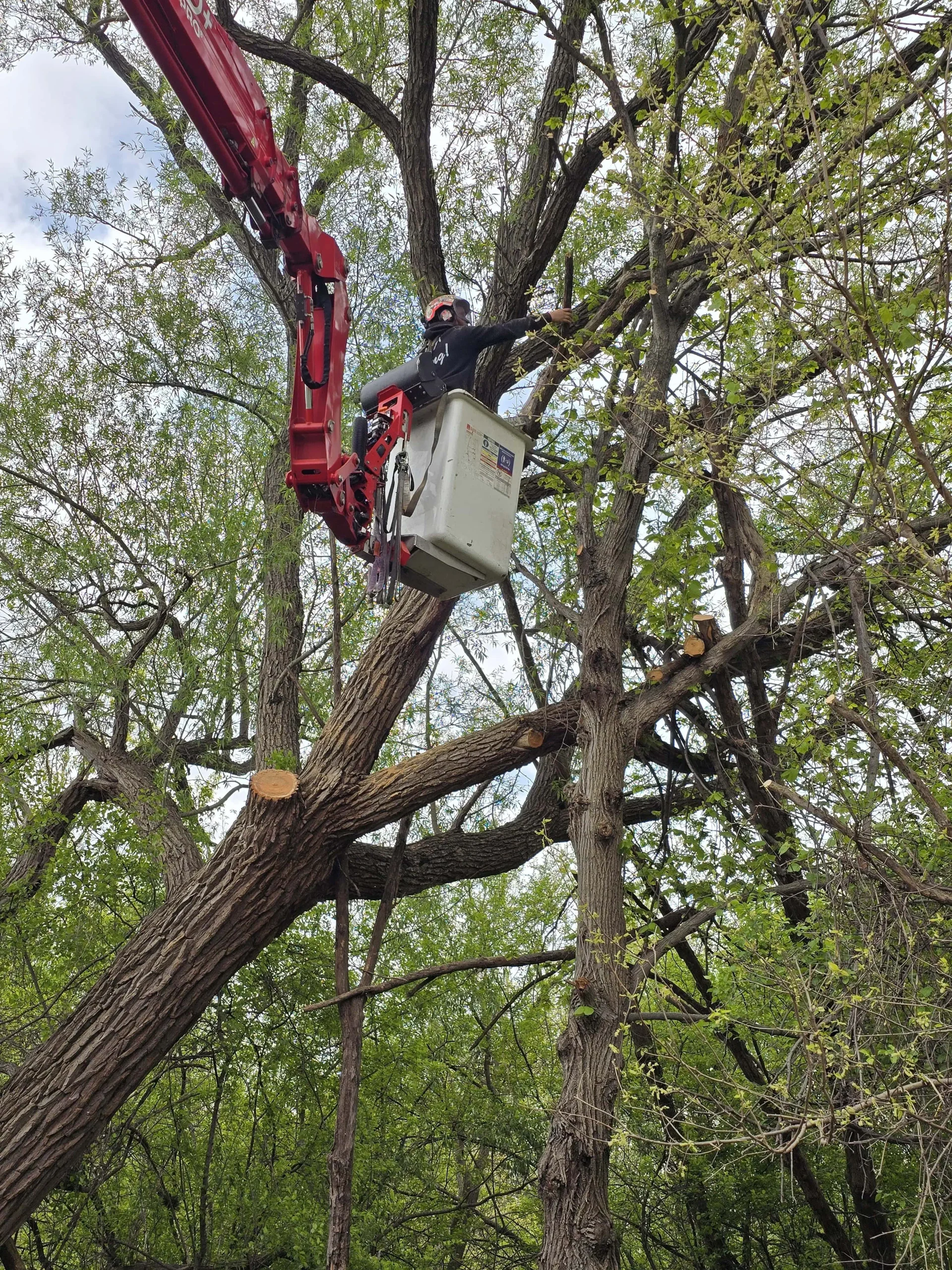
For storm-related hazards and immediate safety concerns, when possible, stay clear of the area around damaged trees and call local professionals or ISA-certified arborists to inspect structural integrity after severe storm impacts. Professional equipment and experience are necessary to safely evaluate and manage trees that pose a falling risk.
To understand possible responses and field examples of severe damage from storms in our region, review Recent Storm Damage Case Studies to see how similar issues presented and were resolved. This detail matters because a careful review of the full situation can prevent avoidable mistakes and support a more reliable result.
Steps for a Homeowner Tree Health Assessment You Can Do Safely
A basic tree health assessment involves visual inspection, simple health checks, and noting environmental conditions that affect tree vigor. You can gather useful information without specialized tools by following a few methodical steps.
Begin with a full-crown scan from a safe distance, noting leaf color, density, and the timing of leaf-out. Move closer to inspect bark condition, look for fungal growth, and test small twig flexibility by bending a few minor branches to see if they snap or bend.
Examine the base for root exposure, soil compaction, and signs of insect entry or decay. Photograph the tree from multiple angles and keep a dated record; these images can help an ISA-certified arborist track progression and recommend appropriate next steps.
If the tree shows multiple signs of decline, arrange for a professional assessment rather than attempting major work yourself. For more information on professional actions and the range of technical options, see Our Comprehensive Tree Services for an overview of common industry approaches.
Why an ISA-Certified Arborist in Michigan Matters for an Accurate Diagnosis
ISA-certified arborists have the training to diagnose complex tree health problems, recommend safe mitigation, and evaluate structural risk. Their expertise reduces guesswork and helps homeowners understand prognosis, possible treatments, and safety needs.
An ISA-certified arborist can perform assessments such as decay detection, root zone evaluation, and crown risk analysis, and they know when targeted pruning or removal may be appropriate. For background on credentials and the team approach we use, read About Our ISA-Certified Arborists to learn how certification informs practical care decisions.
Professional evaluation is especially important for large or mature trees near structures or when a tree is exhibiting several of the dangerous tree signs described above. Documentation from qualified staff also supports safe planning and clear communication with insurance or municipal contacts when necessary.
Related Resources for Next Steps
For more detail, review True Cut Tree Care Service’s Our Comprehensive Tree Services page and its About Our ISA-Certified Arborists resource before making a final plan. These pages provide additional context about the services and decisions discussed above while keeping the focus on what applies to your property and priorities.
You can also explore Recent Storm Damage Case Studies when that aspect of the project affects your situation. For independent background, the International Society of Arboriculture provides educational guidance on staying clear of damaged trees and seeking qualified professional help after severe storms.
Frequently Asked Questions
1. How quickly should I act if I see one or two signs of a dead tree?
If you spot one or two signs, monitor the tree closely and document changes with photos over a few weeks. True Cut Tree Care Service in Farmington Hills, MI recommends a prompt professional opinion if signs increase or the tree is near structures. Acting early can clarify whether the tree is stressed and treatable or if removal is safer. A simple inspection by a certified professional can prevent escalation.
2. Can a stressed tree recover after a drought in Michigan?
Many stressed trees will recover with seasonal rainfall and improved care, but recovery depends on species, severity, and timing. True Cut Tree Care Service in Farmington Hills, MI advises evaluating soil, root health, and crown response before assuming recovery. Appropriate watering, mulching, and other tree care measures may help depending on the tree’s condition. A certified arborist can estimate recovery chances based on inspection.
3. Are fungi and mushrooms always a sign the tree is dead?
Fungal fruiting bodies indicate decay but do not always mean the tree is completely dead. True Cut Tree Care Service in Farmington Hills, MI treats fungal presence as a serious sign that interior decay is active and should be evaluated. The location, type, and extent of fungal growth influence the tree’s structural risk and management options. Professional assessment helps determine whether pruning, removal, or another appropriate response is necessary.
4. What should I do after a storm damages a tree on my property?
After a storm, prioritize safety: keep people and pets away from leaning or hanging limbs and document damage with photos. True Cut Tree Care Service in Farmington Hills, MI recommends contacting a professional with storm experience to assess structural integrity and perform safe cleanup. For immediate safety guidance, the ISA and storm resources advise staying clear of damaged trees and calling qualified help. In many cases, trained crews can safely address hazardous trees.
Conclusion
Understanding signs of a dead tree starts with clear information, realistic priorities, and attention to the details that affect your property. Homeowners in Farmington Hills, MI can use the points in this guide to compare options, ask better questions, and make a confident next decision.
True Cut Tree Care Service Is Ready to Help in Farmington Hills, MI
True Cut Tree Care Service brings local experience and ISA-certified arborists to difficult tree health and safety problems in Farmington Hills, MI. If you are unsure about a tree’s condition, please use our website or the contact form to request an assessment. Our team can evaluate the situation and recommend appropriate next steps, including safe removal if necessary.